

Inside the Office
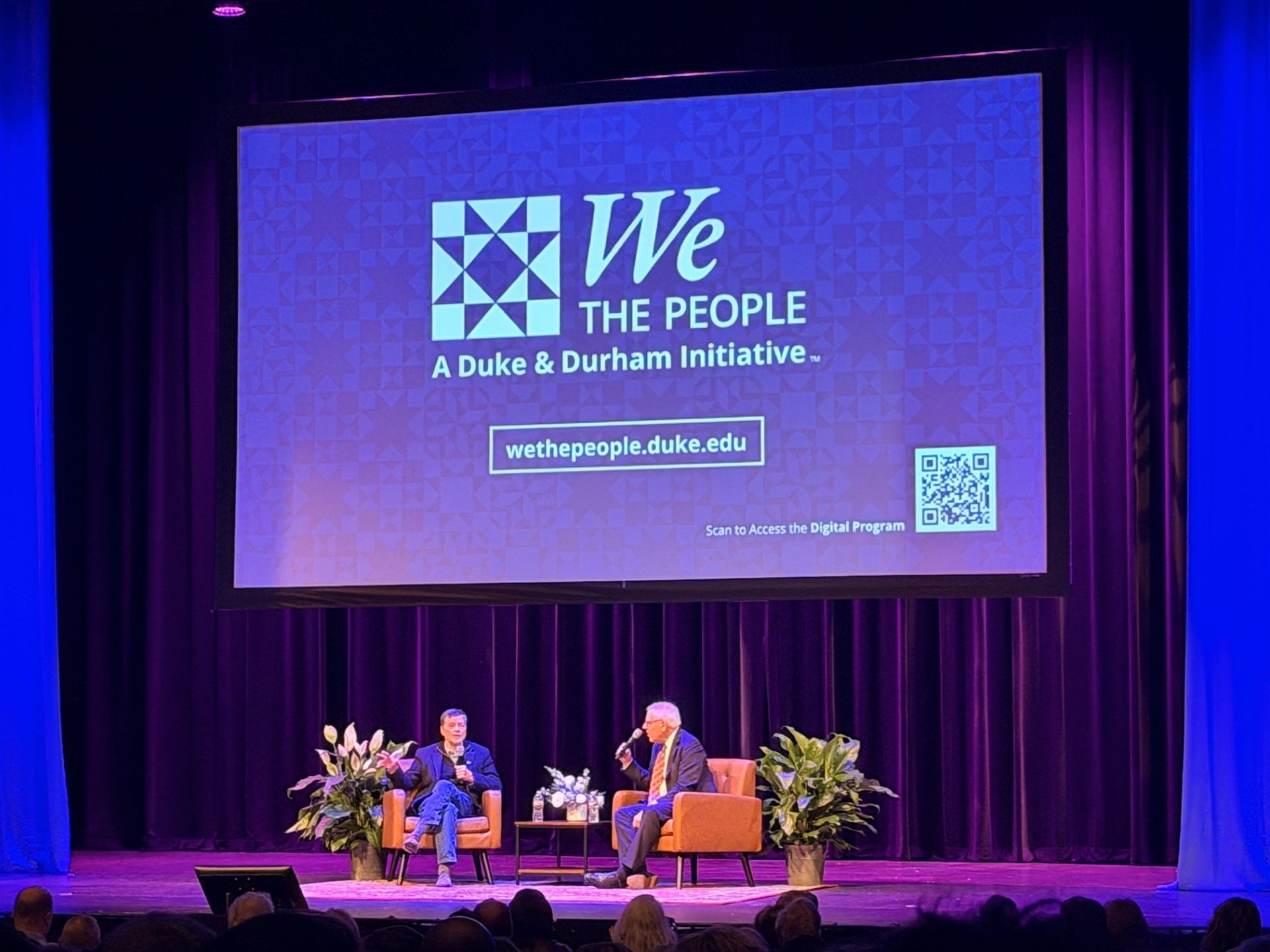
A couple of weeks ago, I sat in a packed auditorium on campus listening to David Rubenstein and Ken Burns discuss the founding of the country. The occasion was the arrival of three historic copies of the Declaration of Independence from Rubenstein’s personal collection. (By the way, the copies are currently on view at the Nasher Museum… the exhibit is part of Duke and Durham’s America 250 programming, which I highly recommend stopping in to see if you happen to be in town.)
I went to the event expecting a history lesson, which is why I was surprised to find myself walking out while thinking mostly about the young founders and innovators I engage with on a daily basis.
Throughout the discussion, Burns kept turning the topic back to George Washington. And as he did, one historical note he shared caught my attention. According to burns, in 1783, with the war essentially won, Washington stood in front of officers who were on the edge of mutiny due to unpaid wages. He began reading a letter, stopped, fumbled for his spectacles, and, as he did, explained to the angry crowd how he’d gone grey and nearly blind in the service of his country. By most accounts, the room instantly softened. The angry officers wept. The most powerful man in the new nation won the room by admitting he could no longer see well enough to read.
Simply put, he led with vulnerability.
Then Burns said something I’ve been thinking about ever since. He pointed out how George Washington didn’t know he was George Washington. In other words, he had no idea there would eventually be a dollar bill with his face on it, a capital city carrying his name, and a towering monument on the Mall. He didn’t want that kind of praise, and most of it would have made him uncomfortable. Instead, he focused on showing up and doing hard and often thankless work before going home to Mount Vernon.
Burns was equally blunt about the Declaration itself. The founders had a good idea. A good idea got them nowhere on its own. They had to convince a skeptical public, hold a fragile coalition together, and keep going through years when the whole thing could have collapsed. Perseverance, he said, was the entire game.
Almost every founder I meet is carrying some version of that same question: will this matter? Will anyone care? Am I the right person to be doing this?
Washington didn’t have an answer. Neither did the 56 people who signed the Declaration. Nobody gets the answer while the work is happening. You get it later… if at all.
So what do you do when you don’t know how the story ends?
You follow George Washington’s lead by staying vulnerable. Say the thing you don’t know in the investor meeting. Tell your cofounder you’re exhausted. Admit to a customer you’re not sure how the data got corrupted. Washington didn’t lose authority by telling soldiers he was going blind. He gained it.
Similarly, the founders I trust most are the ones who tell me what isn’t working.
You work with humility. If the goal is recognition, you will quit the moment it doesn’t arrive, which is most of the time. If the goal is the work, recognition becomes a byproduct you can take or leave.
And you keep going. A good idea is the price of admission. Everyone in the room paid it. The founders who make it are rarely the ones with the best idea on the table. They’re the ones still at the table three years later.
Washington became George Washington by never trying to be. He kept showing up to work he couldn’t be sure would matter. Odds are none of us gets a monument either. But the people whose work ends up mattering almost never knew it at the time.
-Jamie
Worth Your Time

We’ve all been there. You hit a stretch where you just can’t catch a break. And a few weeks ago, that was me. I had a lingering cold, a dog who was sick at night and keeping me up, a team member who resigned, and a partnership idea I was excited about that got politely poo-pooed. None of it was catastrophic. But all of it coming all at once definitely felt like a lot.
So when I stumbled on this piece on scientifically backed ways to recover from a bad day, I read it. The article offers a handful of simple ideas for regulating yourself and regaining perspective, which matters because the people around us (spouses, kids, teammates, the founders we support) get whatever version of us shows up.
I took a long walk through my neighborhood without my phone and paid attention to my breathing. The problems didn’t disappear. But I came back better equipped to deal with what needed to happen next.
Give it a read before you need it.
